

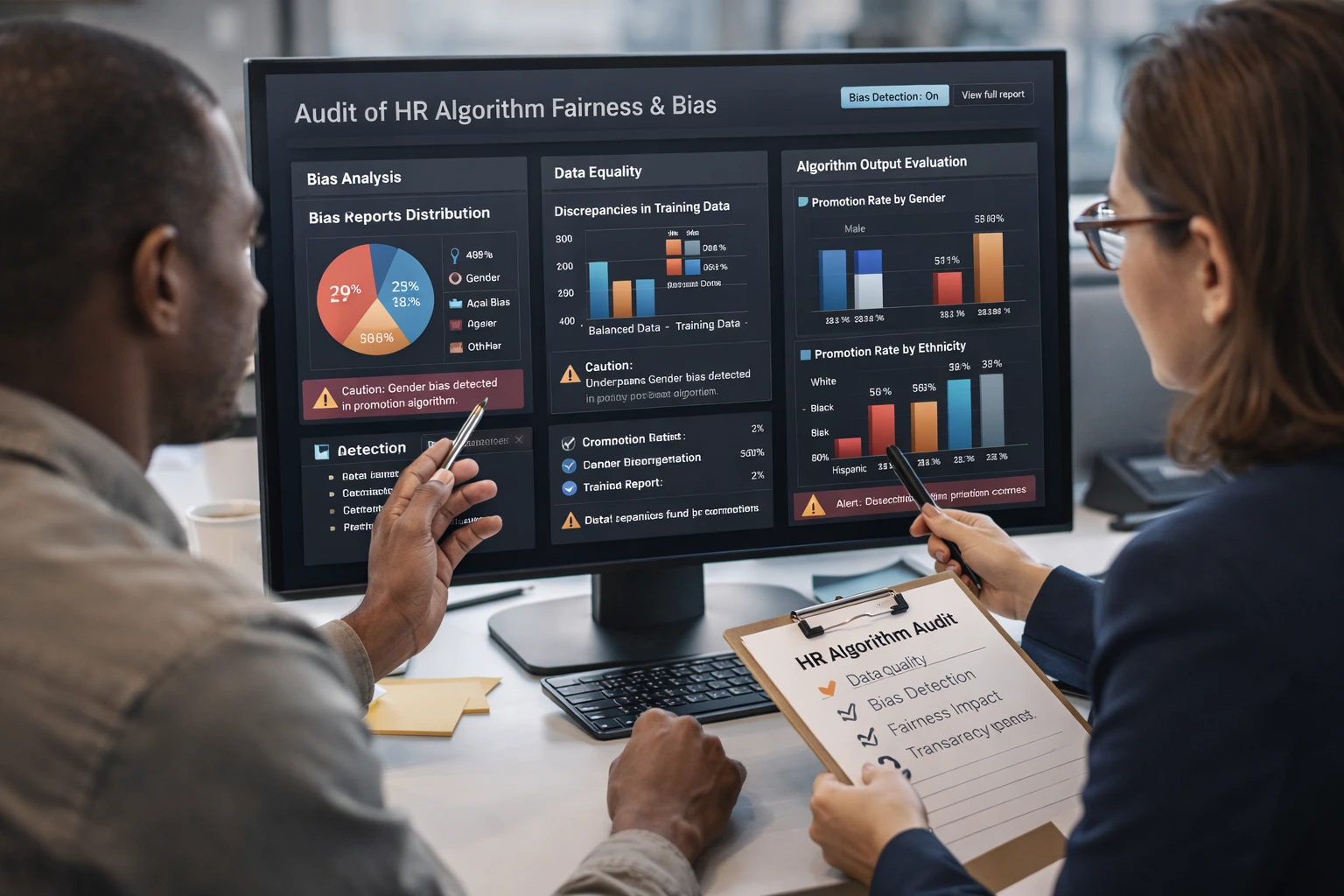
The Rise of HR Technology in the Algorithmic Workplace
HR technology has moved from back-office automation to boardroom strategy in less than a decade. What once managed payroll now maps behavior, predicts attrition, and quantifies culture. Supporters argue that HR technology unlocks unprecedented visibility into workforce dynamics, empowering leaders to build inclusive, high-performing organizations. Critics warn that HR technology is morphing into a corporate surveillance layer disguised as innovation. The tension is real: empowerment versus monitoring, personalization versus intrusion, intelligence versus control. Yet the competitive landscape leaves little room for hesitation. In an economy shaped by artificial intelligence, companies that master HR technology gain strategic clarity, while those that resist remain blind to talent risk and opportunity. The question is not whether HR technology transforms work. The question is whether leaders will use HR technology to elevate human potential or to institutionalize mistrust.
HR Technology as the Engine of Workforce Intelligence
How HR Technology Transforms People Analytic into Strategic Power
HR technology converts fragmented employee data into strategic People Analytic capability. Instead of static reports, organizations gain predictive models that identify retention risks, performance trends, and capability gaps. According to Harvard Business Review’s “Competing on Talent Analytics”, organizations that leverage workforce data as a strategic asset outperform competitors in talent management and decision quality. HR technology operationalizes these insights, transforming human capital into measurable competitive leverage.
This shift reframes HR analytics as strategic intelligence rather than compliance reporting. Workforce planning becomes proactive. Skills mapping aligns with long-term strategy. Leadership pipelines are built with evidence instead of instinct. HR technology positions People Analytic as the operating system of modern workforce strategy.
HR Technology and the Shift from Administrative HR to Data Leadership
| Traditional HR | HR Technology-Driven HR |
| Manual reporting cycles | Real-time HR analytics dashboards |
| Reactive workforce planning | Predictive People Analytic models |
| Administrative focus | Strategic decision intelligence |
| Limited visibility | Cross-functional data integration |
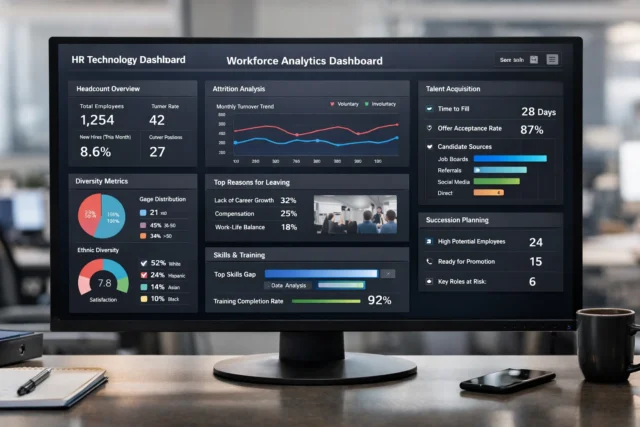
HR technology redefines the HR function. Administrative tasks shrink while HR analytics capabilities expand. As outlined in McKinsey’s “The State of Organizations 2023”, leading companies are repositioning HR as a strategic architect of workforce performance and transformation. HR technology allows HR executives to speak the language of data, risk, and growth.
The debate frames automation as depersonalization. Reality shows elevation. HR technology reduces clerical burden and increases strategic influence. The department once viewed as support becomes a driver of enterprise value.
HR Technology and the Reinvention of Employee Engagement
Real-Time Feedback Systems Powered by HR Technology
HR technology replaces annual surveys with continuous listening systems. Pulse surveys, sentiment analysis, and AI-driven pattern recognition transform engagement from retrospective analysis into live intelligence. Broader implications of AI in workforce systems are examined in MIT Technology Review’s enterprise AI coverage, where algorithmic management and digital monitoring are regularly analyzed.
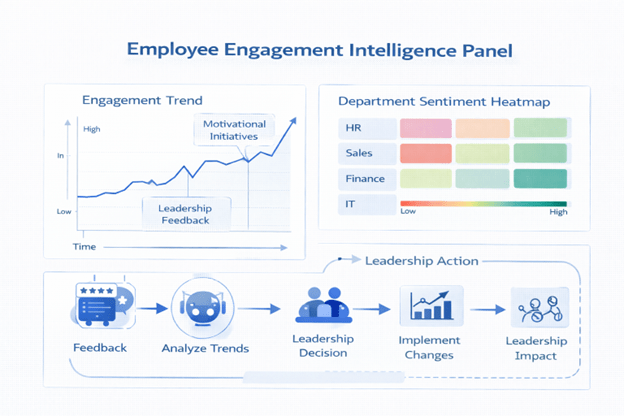
This model does not monitor employees for punishment. It monitors culture for correction. HR technology creates transparency across teams, exposing disengagement early. The alternative is ignorance disguised as trust.
HR Technology and Personalized Employee Experience at Scale
HR technology enables personalization once reserved for executive talent programs. AI recommends learning paths, internal mobility options, and mentorship pairings based on skills data. Deloitte’s Global Human Capital Trends report consistently highlights the strategic importance of digital employee experience and workforce analytics.
HR analytics transforms development into measurable pathways:
- Skills gap identification
- Targeted learning recommendations
- Internal opportunity matching
- Career progression forecasting
The criticism claims algorithmic management strips autonomy. The evidence shows that HR technology expands visibility into growth opportunities previously hidden by informal networks.
HR Technology, DEI, and the Politics of Data
Can HR Technology Eliminate Bias Through People Analytic?
HR technology promises measurable DEI progress. By embedding People Analytic into recruitment and promotion workflows, organizations can track representation patterns and identify bias clusters. The global workforce implications are detailed in the World Economic Forum’s Future of Jobs Report 2023, which underscores data-driven diversity and workforce transformation strategies.
| HR Technology in DEI | Promise | Risk |
| Algorithmic screening | Reduces human bias | Reinforces biased datasets |
| DEI dashboards | Transparent metrics | Overreliance on numbers |
| Promotion analytics | Equal opportunity mapping | Privacy concerns |
HR technology surfaces structural inequities previously ignored. Without HR analytics, bias remains anecdotal. With HR technology, bias becomes measurable.
When HR Technology Reproduces Inequality Instead of Fixing It
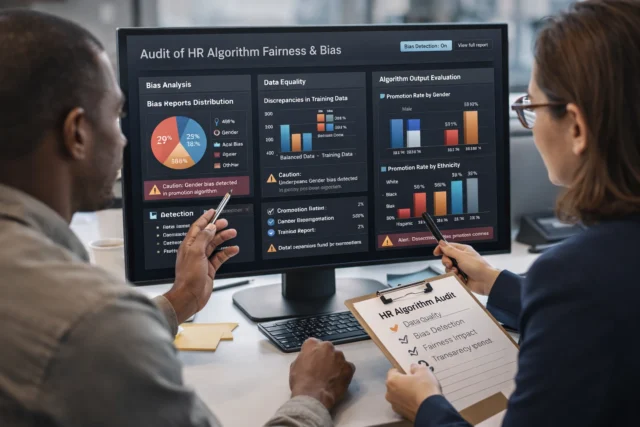
Algorithms reflect data histories. If historical hiring patterns favored certain profiles, HR technology may replicate them. Responsible AI oversight principles are emphasized in IBM’s AI Governance framework, which outlines enterprise-level monitoring and bias mitigation strategies.
The solution is not rejecting HR technology. The solution is stronger governance frameworks, diverse data training, and continuous auditing. HR analytics requires ethical architecture. Abandoning HR technology guarantees stagnation in DEI progress.
HR Technology as a Surveillance Infrastructure
Productivity Tracking and Behavioral Monitoring in HR Technology
Remote work accelerated behavioral tracking tools across industries, pushing organizations to rely heavily on HR technology to sustain visibility in distributed teams. Today, HR technology measures collaboration frequency, digital interaction patterns, workflow progression, and system activity to assess productivity and alignment. Broader enterprise AI monitoring debates are explored extensively in MIT Technology Review’s reporting on artificial intelligence.
The surveillance critique argues that such tracking erodes trust. Yet unmanaged remote ecosystems produce blind spots. HR technology creates visibility necessary for distributed teams. Transparency can enable fairness in workload distribution and prevent burnout.
The Ethics of HR Analytics: Control vs Trust
HR analytics sits at the intersection of autonomy and accountability. Governance determines whether HR technology empowers employees with clarity or intimidates them through opacity. Clear data policies, explicit consent frameworks, algorithmic transparency, and audit mechanisms protect employee dignity while preserving organizational intelligence. Ethical architecture is not optional in advanced HR technology environments.
Global oversight conversations increasingly emphasize responsible AI principles, risk management standards, and institutional safeguards for algorithmic systems. Organizations that invest in structured HR technology governance frameworks gain credibility with employees, regulators, and investors alike. Those that neglect governance invite reputational exposure and internal distrust. Control without transparency erodes culture. Structured HR technology governance builds durable legitimacy and long-term trust.
The Competitive Advantage of HR Technology in the AI Economy
Organizations Winning with HR Technology and Advanced HR Analytics
Organizations integrating HR technology into enterprise AI strategy build resilient, data-driven talent ecosystems capable of adapting to constant disruption. By embedding HR technology into core decision systems, they align workforce capability with automation strategy and future skill demands. These organizations use predictive HR analytics to anticipate skill displacement, redeployment needs, and capability gaps before disruption escalates into crisis. Strategic workforce shifts and reskilling imperatives are extensively analyzed in McKinsey’s Future of Work collection.
Competitive advantages include:
- Strategic workforce forecasting
- Integrated DEI measurement
- AI-driven capability mapping
- Real-time engagement intelligence
HR analytics becomes a growth instrument. Companies ignoring HR technology operate on intuition while competitors operate on evidence.
Why Rejecting HR Technology Is a Strategic Mistake
Resistance often frames HR technology as invasive, equating workforce analytics with surveillance and loss of autonomy. The market, however, frames HR technology as essential infrastructure for competitiveness in an AI-driven economy. The workforce transformation implications, including reskilling urgency and digital capability shifts, are detailed in the World Economic Forum’s Future of Jobs Report 2023.
Rejecting HR technology leads to:
- Talent attrition blind spots
- Weak DEI accountability
- Inefficient workforce allocation
- Strategic misalignment with AI initiatives
The argument against HR technology centers on fear. The argument for HR technology centers on survival.
HR Technology Is Not the Enemy. Poor Leadership Is.
HR technology is neither savior nor villain. It is infrastructure. When deployed without ethics, HR technology amplifies control. When governed intelligently, HR technology amplifies potential. The tension between surveillance and empowerment reflects leadership choices, not algorithmic destiny. Organizations that invest in People Analytic maturity, transparent HR analytics governance, and accountable DEI measurement build trust alongside intelligence. Those that retreat from HR technology in the name of cultural purity sacrifice strategic clarity. In an AI-driven economy, ignorance is more dangerous than data. HR technology equips leaders to design equitable systems, anticipate workforce shifts, and personalize development at scale. The competitive landscape will not reward hesitation. It will reward disciplined innovation. HR technology, implemented responsibly, becomes the backbone of adaptive, inclusive, and high-performing enterprises.
References
Competing on Talent Analytics – Harvard Business Review
The State of Organizations 2023 – McKinsey & Company
Global Human Capital Trends – Deloitte
Future of Jobs Report 2023 – World Economic Forum
HR Technology & Predictive People Analytics: Better or Worse – H-in-Q