

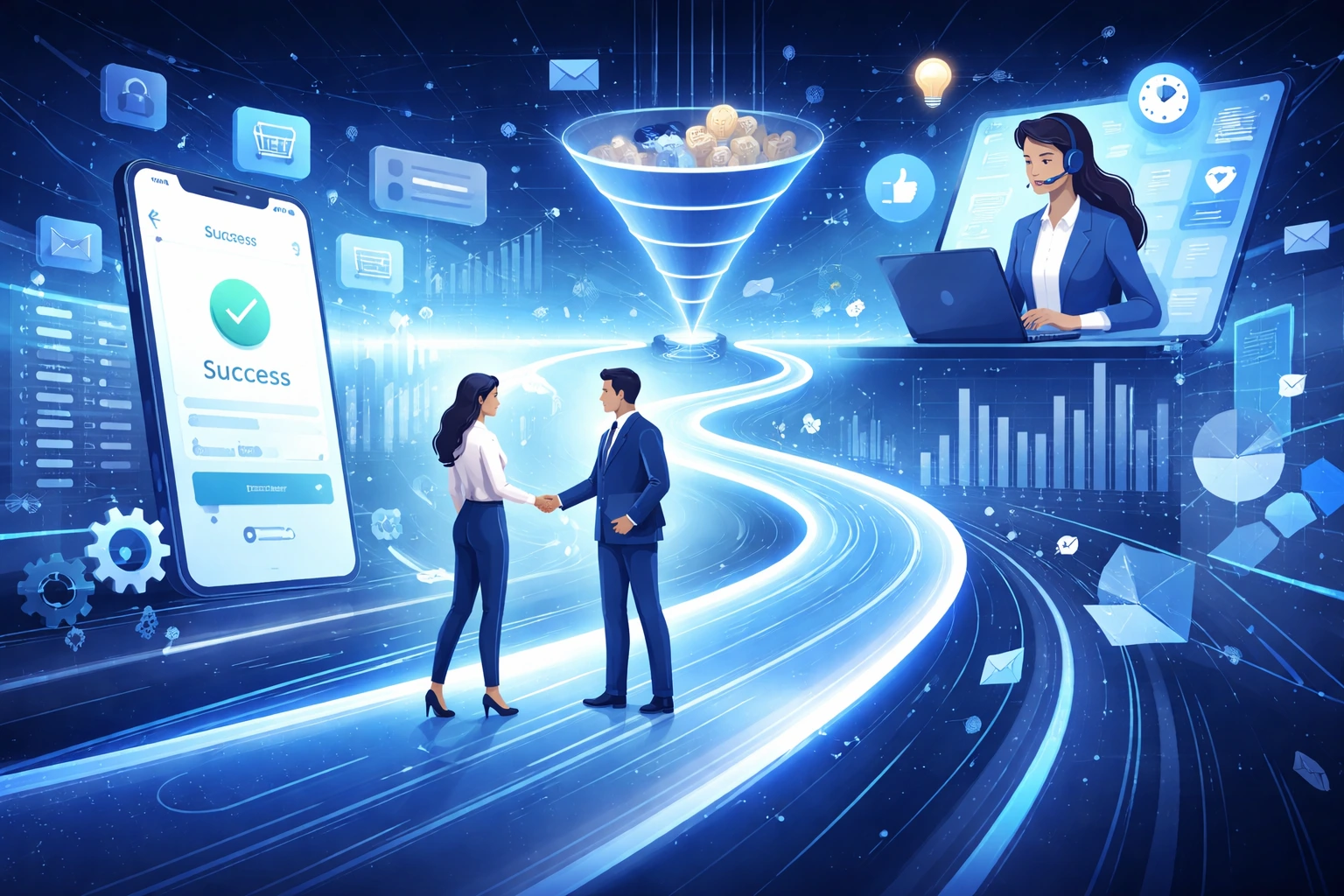
The Zero‑Friction Paradox in Customer Experience
In an era where every millisecond and every click counts, the pursuit of a zero‑friction customer experience has become the ultimate growth mantra in business. Companies tout seamless journeys from discovery to purchase as though eliminating every obstacle automatically translates into loyalty, lifetime value, and market domination. Yet this obsession with removing friction has a dark side. When optimization becomes indistinguishable from manipulation, the customer experience risks devolving into a race to ‘yes’ with no guardrails. Today’s question isn’t whether friction should be eliminated, but where and how it should be replaced by foresight and ethical design. As organizations deploy advanced technologies like AI‑driven predictive analytics frameworks and hyper‑targeted personalization in marketing, they must weigh unprecedented convenience against the erosion of autonomy, trust, and long‑term loyalty. This article argues that the real competitive edge lies not in zero friction itself, but in strategically balanced friction that enhances rather than exploits customer experience.
The Rise of Zero‑Friction in Customer Experience
From Pain Point Removal to Expectation Inflation
The concept of customer experience began with simple goals: remove inconvenient steps, streamline checkout, and eliminate obvious barriers. Early ecommerce success stories proved that each unnecessary click shaved revenue from the bottom line. What started as pragmatic design soon morphed into an arms race of expectation inflation: customers now expect oneclick checkouts, instant gratification, predictive suggestions, and invisible fulfillment. Zero friction is no longer a convenience, it is a demanded commodity. This evolution has redefined competitive benchmarks across industries, pushing organizations to measure success not just in sales, but in anticipation of user needs before users themselves recognize them. Harvard Business Review confirms that superior customer experiences now depend more on intuitive and proactive design than reactive service.

Platforms, Not Products: Ecosystems Redefining Loyalty
The most successful companies no longer sell products or services; they sell ecosystems built on the premise of zero friction. Think of Apple’s tightly integrated devices or Amazon’s frictionless purchase and delivery systems. Their mastery of customer experience creates stickiness: the fewer the obstacles, the harder it becomes for users to leave. A dashboard below highlights churn rates across platforms that aggressively pursue frictionless UX versus those that do not.
Churn, CLV & NPS — Benchmark Comparison
| Company Type | Avg Annual Churn Rate | Avg Customer Lifetime Value (CLV) | Avg Net Promoter Score (NPS) |
| Zero-Friction / Subscription Ecosystem (SaaS, platforms, product-led models) | 5–10% | High (≈ 1.5×–2× traditional models) | +45 to +60 |
| Traditional Product-Focused Companies (one-off sales, low recurrence) | 20–30% | Moderate / Lower repeat value | +20 to +35 |
This data underscores how drastically lower friction correlates with both retention and perceived value. But as Deloitte notes, ecosystems also raise ethical concerns about control and consent, making guardrails essential.
Predictive Analytics World: Powering the Invisible Hand
Anticipation vs Autonomy: Where Prediction Becomes Control
Modern customer experience strategies are powered by predictive analytics systems, which use data to forecast what a user wants next. On the surface, this seems purely beneficial: anticipating needs before articulation should reduce friction and elevate satisfaction. But that’s only part of the story. Predictive models can inadvertently steer customers toward choices they might not otherwise make, subtly ceding autonomy in exchange for speed.
Pros of Predictive Analytics in CX
- Reduces search and decision time
- Tailors journeys based on behavior
- Increases relevance of offers
Cons
- Can override genuine choice
- May reinforce bias in decision paths
- Risks feeling intrusive
McKinsey emphasizes the need for transparency in predictive systems to prevent them from becoming covert control mechanisms.
Real‑Time Decisions, Permanent Trade‑Offs
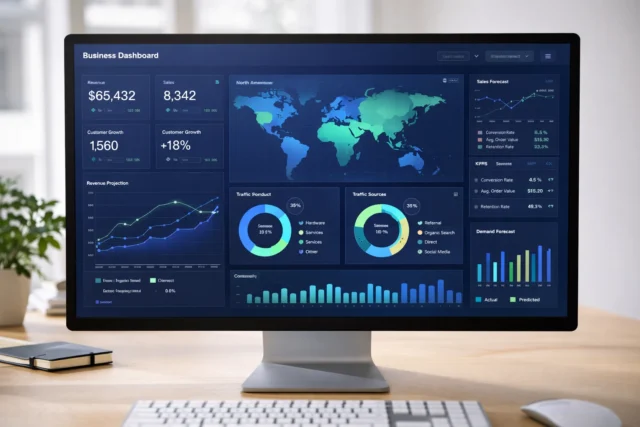
The zero‑friction customer experience thrives on real‑time decisioning, reacting to signals instantaneously to deliver what seems like a personalized journey. But speed comes with trade‑offs. When analytics models over‑optimize for immediate conversion (a common KPI), they risk prioritizing short‑term wins over long‑term trust. Customers may get what they want fastest, but at what cost?
Research from McKinsey shows that predictive systems increase engagement, but warn of declining trust when systems are opaque or overly aggressive in their design.
Personalization in Marketing: A Catalyst or a Cage?
From Relevance to Surveillance
Personalization in marketing is often touted as the natural evolution of engagement; tailor every message, display content that matters, anticipate needs. While this drives remarkable gains in relevance and conversion, it also verges on surveillance. Companies increasingly collect behavioral, demographic, and even psychographic data to refine every touchpoint. The result? A customer experience that feels eerily intuitive but is actually deeply constructed.
Personalization Satisfaction Across Industries
| Industry | Personalization Satisfaction Trend | Privacy / Data Use Concern Trend | Primary Supporting Sources |
| Retail | High preference for personalized experiences and value | Elevated privacy concerns about data collection and use | BCG global survey (comfort with personalization) (BCG Global) |
| Finance | Demand for personalization in services and offers | Strong privacy concern due to sensitive data | AI personalization & privacy paradox literature (Journal of Marketing & Social Research) |
| Travel & Hospitality | Personalization enhances unique experiences and loyalty | Consumers wary of data tracking for personalization | BCG personalization trends (BCG Global) |
| Healthcare | Personalization can improve outcomes and engagement | Highest data privacy concern due to sensitive health data | Privacy and data governance research (general) (Advances in Consumer Research) |
IBM research supports this tension: personalization enhances relevance but erodes privacy when not accompanied by clear communication.
AI vs Human Touch: Who Knows the Customer Better?
The age‑old debate between human intuition and algorithmic precision has never been more relevant. AI systems process vast amounts of data instantly; humans rely on empathy and context. When personalization becomes purely algorithmic, it risks losing the humanity that customers value in brand interactions.
Yet human‑only systems can’t compete with the scalability and speed of AI‑enabled personalization. The smart approach is hybrid: use AI to surface insights and humans to curate them ethically. MIT Technology Review notes that customer trust grows when AI augments (not replaces) human input.
Growth Metrics Without Guardrails
Conversion Obsession: Are We Measuring the Right Things?
Corporate focus on standard growth metrics as click‑through rates, conversion percentages, time on site, drives optimization toward zero friction at all costs. But these metrics can be misleading. A frictionless funnel that boosts short‑term conversions might obscure deeper issues such as customer regret, churn potential, or brand distrust.
Rather than obsessing over immediate conversion, companies should measure:
- Long‑term retention
- Customer sentiment over time
- Trust indicators
World Economic Forum advocates for a trust-first digital strategy that moves beyond transactional KPIs.
When Experience Becomes Exploitation
Zero friction without guardrails quickly becomes a trap. Aggressive upselling, pushy recommendations, opaque consent mechanisms; these are all signs of a customer experience that prioritizes revenue over respect. Exploitation often disguises itself as convenience.
Companies must ask tough questions: Are we eliminating steps to serve customers or to extract more value from them? Ethical frameworks from the World Economic Forum emphasize transparency and user control as vital components of responsible digital experiences.
Regulation, Ethics, and the Limits of Optimization
Should Zero‑Friction Be Regulated Like a Utility?
As customer experience becomes more automated and predictive, the question of regulation emerges. If zero‑friction systems are ubiquitous, should they be held to standards similar to public utilities, with transparency and accountability baked in?
Regulatory frameworks around data privacy (GDPR, CCPA) are just the beginning. What’s missing are standards for ethical customer experience, guidelines that require disclosure of predictive personalization, explainable AI decisions, and opt‑out choices. Harvard Business Review stresses that governance must be embedded in the business model, not treated as afterthought.
Designing for Pause, Not Just Flow
Intentional friction can be a feature, not a bug. Moments of pause like clear choice points, meaningful consent screens, options to explore alternatives, respect autonomy and deepen trust.
Designers should ask:
- Where should customers reflect rather than rush?
- Where does speed harm clarity?
- Where does consent require reaffirmation?
Friction here is a deliberate design choice that elevates the entire experience.
Future‑Proofing the Customer Experience Strategy
Building for Trust, Not Just Speed
The future of customer experience lies in balanced interaction design that harnesses the main keyword “customer experience” without compromising integrity. Organizations must commit to transparency, explainability in AI, and respect for user autonomy.
Actions companies should take:
- Publish AI and data‑use policies in user‑friendly language
- Offer clear preference controls
- Regularly audit predictive systems for bias
These steps build durable trust, which outlasts any short‑lived gains from frictionless tactics alone.
Friction as a Feature, Not a Flaw
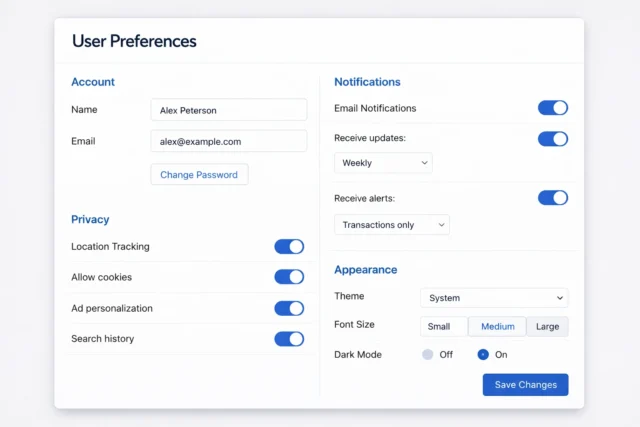
Intentional friction shouldn’t be feared; it should be recognized as a mechanism that deepens customer engagement and strengthens trust. When companies redefine friction as “useful friction,” they create experiences that are both efficient and respectful.
Useful Friction Examples
| Use Case | Friction Type | Benefit |
| Subscription Downgrade | Confirmation Dialogue | Prevents regret purchases |
| Personalized Offers | Option to Edit Preferences | Empowers control |
| Predictive Recommendations | “Why this?” Info Button | Promotes transparency |
In Defense of Smart Friction in Customer Experience
The relentless pursuit of zero friction in customer experience has delivered undeniable gains in speed, convenience, and short‑term revenue. But without guardrails, it risks undermining the very trust it seeks to cultivate. Strategic friction such as deliberate, transparent, and user‑centric is not a regression. It is an evolution that honors customer autonomy while leveraging AI and predictive analytics world tools for good. The future belongs to organizations that balance innovation with ethics, personalization with consent, and optimization with dignity. Zero friction should be a choice, not an imperative. When technology serves empowerment instead of exploitation, the customer experience becomes not just seamless, but sustainable and genuinely valued.
References
How to Deliver a Great Customer Experience — Harvard Business Review
Decoding Digital Transformation Through Predictive Analytics — McKinsey
The Problem with Our Data-Driven World — Harvard Business Review
Customer Experience: Connecting the Dots — Deloitte
The Next Generation of Customer Experience — McKinsey
Personalizing the Customer Experience — McKinsey
Personalization Can Be Creepy. Here’s How to Do It Right — Harvard Business Review
AI and Customer Experience — IBM
The Future of Human-Centered AI — MIT Technology Review
Build Trust in the Digital Age — World Economic Forum
Principles for Ethical Artificial Intelligence — World Economic Forum
AI Ethics Isn’t a Side Hustle — Harvard Business Review
Vitally – SaaS Churn Benchmarks
Vena Solutions – What Is a Good SaaS Churn Rate?
ProfitWell – Retention & Churn Benchmarks
CustomerGauge – Average Churn Rate by Industry
Recurly – Subscription & Industry Retention Benchmarks
Harvard Business Review – The Value of Keeping the Right Customers
Harvard Business Review – Managing Customers for Profit
Wikipedia – Customer Lifetime Value (definition, drivers, formulas)
CustomerGauge – SaaS Net Promoter Score Benchmarks
Bain & Company – What Is a Good Net Promoter Score?
CustomerGauge – Global NPS Benchmarks by Industry
Retently – NPS Benchmarks by Industry
AI Customer Experience Or Manipulation – H-in-Q