
Introduction: Is Traditional Segmentation Still Relevant in AI Marketing?
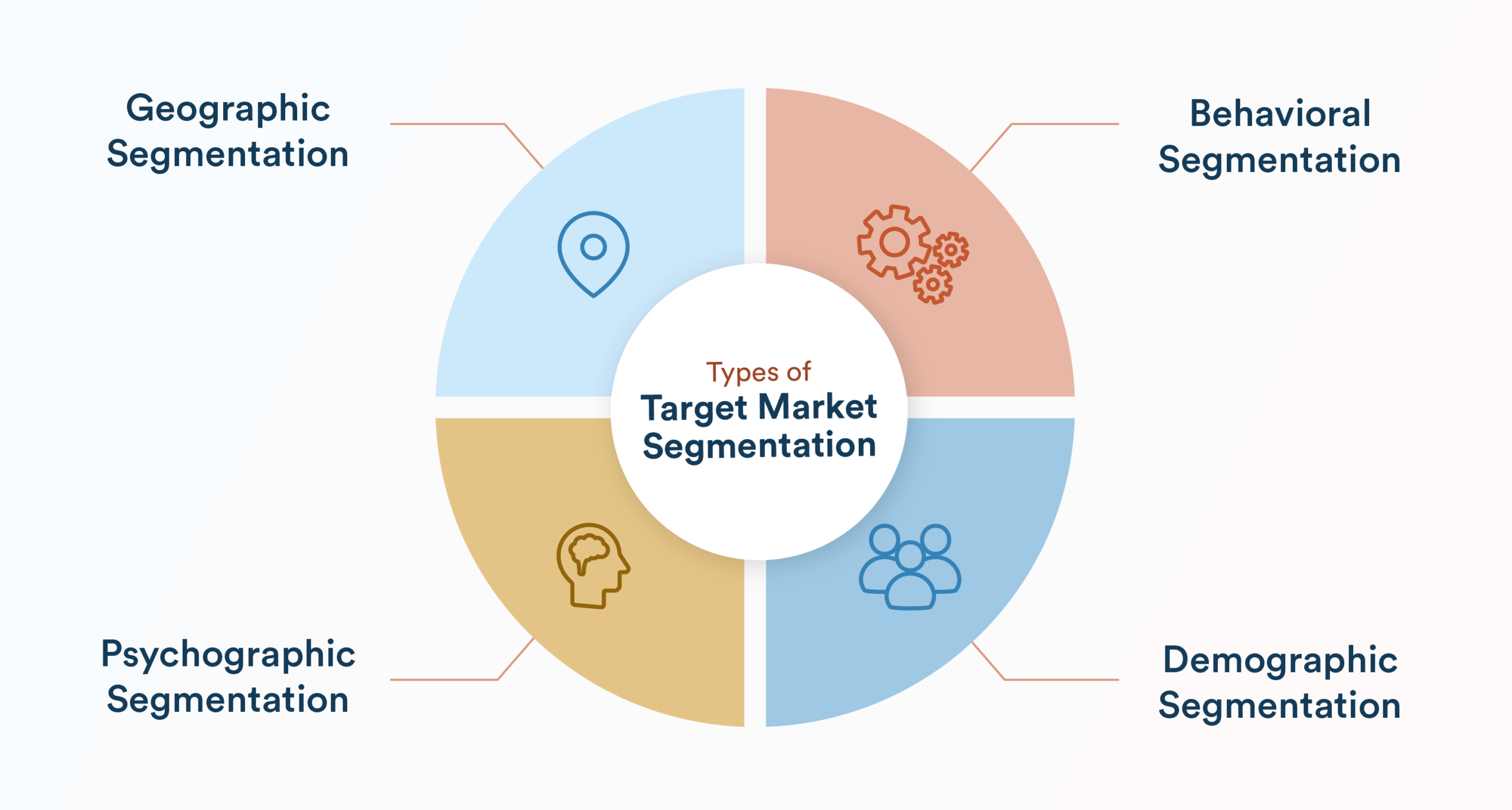
For decades, marketing segmentation was the foundation of all marketing strategies. Businesses grouped consumers into segments based on demographics, income, or behavior to create targeted campaigns. But today, in the world of AI marketing, this approach feels outdated.
Thanks to digital marketing automation y AI-driven customer experience, businesses no longer need rigid segments. Instead, they can personalize interactions in real time. Netflix, Amazon, and digital marketing agencies no longer rely on broad groups—they use AI-powered marketing strategies to engage with each user as an individual.
This article explores why segmentation once ruled marketing, how it evolved, and why AI-powered hyper-personalization is now replacing it. So, is it time to abandon segmentation altogether in favor of data-driven digital marketing strategies?
When Production Was Enough: Segmentation Was Unnecessary
During the post-war economic boom (1945–1975), marketing segmentation was irrelevant. Mass production and mass marketing were the only concerns—if you produced something, it would sell.
Take automobile marketing as an example. Models like the Volkswagen Beetle and the Citroën 2CV were built for universal appeal. Similarly, brands like Moulinex dominated consumer goods marketing by offering the same home appliances to all households. There was no need for marketing strategy segmentation—consumer demand was so high that everything sold.
But as markets became saturated, competition increased. Businesses had to understand their customers better, leading to the rise of strategic marketing segmentation. However, while this approach made sense in the past, AI-driven marketing automation is now replacing it in the digital age.
Traditional Segmentation: A Digital Marketing Strategy That No Longer Works
By the 1980s and 90s, marketing agencies relied on segmentation to break down customer bases into clear groups. This approach helped brands tailor SEO marketing campaigns y social media marketing strategies to their target audiences.
For instance, Zara’s digital marketing strategy focused on young urban professionals, while luxury brand marketing (like Chanel) targeted high-income consumers. Meanwhile, the rise of health-conscious consumer segmentation led to the popularity of organic and gluten-free products.
But in today’s AI-driven digital marketing landscape, consumers expect real-time personalization. They no longer fit into rigid categories. AI-powered digital marketing tools now allow businesses to personalize content and offers based on individual behaviors, making old-fashioned segmentation increasingly irrelevant.
AI Has Killed Segmentation: Welcome to Hyper-Personalization
AI in marketing has transformed how brands interact with customers. Rather than segmenting users into predefined groups, AI-powered customer experience platforms adjust content dynamically for each person.
Netflix’s AI marketing model no longer sorts viewers into “comedy fans” or “thriller lovers.” Instead, its machine learning algorithms analyze watch habits, preferences, and drop-off rates to create hyper-personalized recommendations. Similarly, Amazon’s AI-driven digital marketing uses customer data to adjust product suggestions in real time.
Even social media marketing agencies now leverage AI marketing automation to create ads tailored to individual users. No more one-size-fits-all campaigns—every ad is personalized based on browsing behavior and engagement.
At this point, AI-powered hyper-personalization isn’t just a trend—it’s the new reality. Digital marketing agencies that still rely on traditional segmentation risk losing relevance in an era where consumers expect brands to “know them” on an individual level.
Should We Mourn the Death of Marketing Segmentation?
Is marketing segmentation dead? In the world of AI digital marketing, yes. AI-driven marketing analytics have made it possible to craft individualized marketing campaigns that adapt to customer behavior in real time. This shift is revolutionizing customer experience and making marketing automation software the go-to tool for modern brands.
However, segmentation still holds value in specific cases. Mass-market campaigns, physical retail marketing, and traditional SEO marketing still require some level of customer segmentation strategy. For example, when launching a new product, brands still need to identify broad target audiences before refining their messages.
Yet, for AI-powered digital marketing companies, segmentation is rapidly becoming obsolete. Consumers no longer want to be placed in a category—they expect brands to treat them as individuals. Those who fail to embrace AI customer experience optimization will struggle to compete in the era of hyper-personalization.
Conclusion: Segmentation Is Dead, Long Live AI-Powered Marketing!
For decades, marketing segmentation strategy was the foundation of successful campaigns. But with AI-driven marketing strategies dominating the digital space, segmentation is no longer a necessity—it’s a limitation.
AI-powered marketing automation allows businesses to analyze consumer behavior in real time and adjust content accordingly. This level of customer journey personalization has made broad segmentation models obsolete. While segmentation still has some strategic uses in mass communication marketing, it is no longer the dominant force in digital marketing transformation.
The brands that succeed in the future will be those that embrace AI-driven customer engagement and move beyond outdated segmentation models. The future of marketing is AI-powered, data-driven, and hyper-personalized.
So, is your brand still stuck in the past, or are you ready to lead in the era of AI marketing automation?
Learn more about AI-powered analytics in digital marketing: https://h-in-q.com/analytics/
Referencias:
AI in Marketing & Hyper-Personalization: Read More!
Netflix’s AI-Driven Personalization Strategy: Read More!
Amazon’s AI-Powered Marketing & Recommendations: Read More!
The Future of Digital Marketing with AI: Read More!
AI in Customer Experience Optimization: Read More!